

The psychological triggers behind your gambling behavior
The thrill of risk and reward
The inherent excitement associated with gambling is a significant psychological trigger that entices many individuals. This thrill stems from the potential to win large sums of money, which can produce a rush of adrenaline. This adrenaline rush is similar to what one might experience in extreme sports or high-stakes situations, creating a compelling allure that is hard to resist. The possibility of experiencing that high can lead people to gamble more frequently, hoping to replicate the sensation. For more information about online gaming, you can visit https://spinformulacasinoonline.com/.

Additionally, the brain’s reward system plays a crucial role in reinforcing gambling behavior. When a player wins, the brain releases dopamine, a neurotransmitter associated with pleasure and reward. This chemical reaction not only enhances feelings of happiness but also encourages the individual to engage in gambling again, as they seek to recreate that pleasurable experience. This cycle can lead to habitual gambling, as the desire for that dopamine release becomes a powerful motivator.
Moreover, the anticipation of a potential win can create a heightened emotional state. Even when individuals lose, the thought of future wins can keep them engaged, perpetuating a cycle of hope and excitement. This psychological phenomenon emphasizes how our minds can become fixated on the thrill of risk, often overshadowing the realities of potential loss. Understanding this trigger is essential for anyone looking to grasp the complexities of gambling behavior.
The influence of social factors
Social dynamics play a pivotal role in gambling behavior, significantly influencing an individual’s decision to gamble. Often, people are drawn to gambling environments due to peer pressure or social norms that glorify risk-taking activities. This can create a culture where gambling is seen as a social activity rather than an individual risk, further encouraging participation. When individuals are surrounded by others who gamble, the normalization of such behavior can diminish the perceived risks and amplify the enjoyment associated with it.
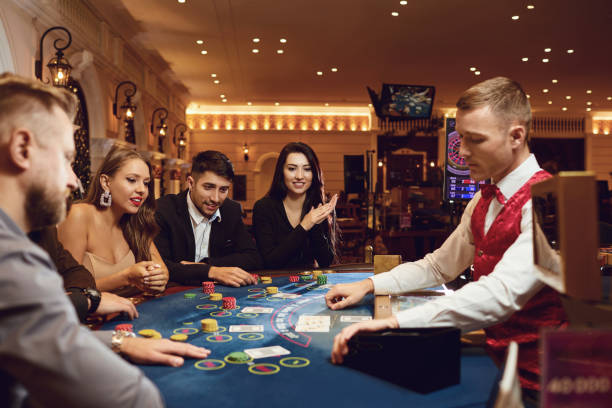
Moreover, social interactions during gambling can enhance the overall experience, making it more appealing. Events like poker nights or casino trips with friends create camaraderie and shared excitement. The social aspect can amplify the psychological triggers of gambling, as individuals feed off each other’s energy and enthusiasm. This collective experience can often overshadow personal apprehensions about gambling, making it easier to overlook the potential downsides.
In addition to peer influence, the rise of online gambling platforms has transformed social interactions associated with gambling. Virtual communities and forums allow individuals to connect with others, share experiences, and offer encouragement, which can further fuel gambling behavior. This shift not only broadens access but also reinforces the social aspect of gambling, making it a more engaging and potentially addictive experience for many.
The impact of cognitive biases
Cognitive biases are another critical psychological trigger that influences gambling behavior. One common bias is the illusion of control, where individuals believe they can influence the outcome of a random event. For instance, a player may think that their strategies or decisions can sway the results in their favor, despite the inherent randomness of games like slot machines or roulette. This belief can lead to repeated gambling, as individuals feel empowered by the misconception that they can “beat the odds.”
Another prevalent cognitive bias is the gambler’s fallacy, which is the mistaken belief that past events can influence future outcomes. For example, if a player has lost several times in a row, they may believe that a win is “due” and continue to gamble in hopes of a turnaround. This flawed reasoning perpetuates the cycle of gambling, as individuals often ignore the fundamental principles of probability and randomness that govern these games.
These cognitive distortions can have detrimental effects, as they often lead to excessive gambling and financial strain. By understanding these biases, individuals can develop a more rational perspective on gambling, recognizing the random nature of these activities. This awareness can serve as a protective factor against compulsive gambling behavior, allowing individuals to make more informed choices about their gambling activities.
The role of emotional states
Emotions significantly impact gambling behavior, serving as both a trigger and a response mechanism. Many people turn to gambling as a way to cope with stress, anxiety, or depression. The excitement of gambling can provide an escape from negative feelings, albeit temporarily. Unfortunately, using gambling as a coping mechanism can lead to a dangerous cycle, where individuals gamble more to alleviate their emotional distress, only to face greater emotional turmoil as losses accumulate.
Conversely, positive emotional states can also trigger gambling behavior. Celebrations or feelings of euphoria can lead individuals to engage in gambling as a way to enhance their joy or share in the excitement with others. This duality of emotional triggers highlights how gambling can be influenced by a wide range of feelings, making it important for individuals to assess their emotional health in relation to their gambling habits.
Understanding the connection between emotions and gambling can help individuals recognize their triggers and develop healthier coping strategies. By addressing underlying emotional issues instead of resorting to gambling, individuals can mitigate the risks associated with gambling and establish a more balanced lifestyle. This self-awareness is crucial in breaking the cycle of emotional gambling.
Exploring the SpinFormula platform
For those interested in understanding more about their gambling behavior and enhancing their gaming strategies, the SpinFormula platform offers valuable resources. Designed to help individuals navigate the complexities of gambling, this platform provides insights into both the psychological aspects and practical techniques to improve gameplay. Understanding the mental triggers can empower players to make more informed decisions, minimizing the risks associated with compulsive gambling.
SpinFormula combines educational resources with an engaging community atmosphere, allowing users to share experiences and learn from one another. This supportive environment can serve as a beneficial tool for individuals looking to manage their gambling behavior. By fostering awareness and responsible gambling habits, SpinFormula aims to create a space where individuals can enjoy gaming without falling prey to its potential pitfalls.
In conclusion, recognizing the psychological triggers behind gambling behavior can empower individuals to make conscious choices about their gambling activities. With the right tools and knowledge, players can strike a balance between enjoyment and responsibility, ensuring their gaming experience remains positive and fulfilling. The SpinFormula platform is committed to guiding individuals on this journey, fostering a better understanding of both the psychological and strategic elements of gambling.